China’s Robotaxi Revolution Hits the Brakes: How Losses Are Forcing a Business Model Rethink
Just a few short years ago, the future seemed bright for robotaxi startups in China. Venture funding poured in by the billions as tech giants like Baidu, Pony.ai, and WeRide raced to deploy self-driving taxis across major cities. Robin Li of Baidu boldly predicted robotaxis would be in wide commercial use by 2020. Investors envisioned a transportation revolution where autonomous vehicles offered cheap, convenient mobility for all.
But that optimistic vision has collided with technological and economic realities. While progress has been made on the tech side, scaling robotaxi operations into large, profitable businesses has proven more difficult than anticipated. Mounting losses are now pushing China’s leading startups like Momenta, DeepRoute, and AutoX to rethink their go-to-market strategies.
China’s Robotaxi Leaders Amass Billions in Funding Yet Face Hurdles to Commercial Viability
At the forefront of China’s robotaxi push are Baidu, Pony.ai, and WeRide. Baidu launched Apollo, an open source software platform powering self-driving development worldwide. Pony.ai operates robotaxi services in three Chinese cities and four in the U.S. WeRide focuses on autonomous shuttles and recently raised $310 million.
Collectively these startups have attracted billions from marquee backers like Toyota, Volkswagen, and electronics giants. However, none have yet achieved consistent profitability from robotaxi operations alone. High costs associated with mapping, sensors, computing power, and safety drivers mean per-ride losses often exceed ticket revenues.
While impressive progress has been made on core autonomous driving capabilities like perception, vehicle control and navigation, the complexity of real-world urban environments continues challenging even the most advanced systems. Dense traffic, unpredictable pedestrians or construction zones require cautious testing – which has slowed scaling.
Robotaxi Startups Face Need to Explore New Business Models to Achieve Commercial Viability
Having largely relied on venture funding to subsidize early pilot programs, China’s robotaxi leaders now sense an imperative to explore new revenue streams. Without a clear path to break even solely on self-driving taxi fares, they are diversifying business lines in hopes of achieving combined profitability sooner. Here are some of the avenues startups are pursuing:
1) Fleet Management Services for Other Companies
Rather than operate robotaxis themselves, startups like Baidu are looking to supply autonomous vehicle software and remote operation services to third parties in logistics, mining and transportation. This spreads costs over larger deployment numbers.
2) Software Technology Licensing
Companies like WeRide are building licensing revenue by selling core self-driving software and know-how to automakers, technology firms and cities seeking to develop their own autonomous solutions.
3) Autonomous Driving Cloud Services
Apollo provides a model – startups are creating cloud-based mobility platforms where map data, vehicle capabilities and supervision tools can be shared. This allows developers to scale technologies through a shared infrastructure.
4) Robo-Delivery and Logistics
Startups aim to offset ongoing robotaxi losses through profitable delivery contracts using self-driving trucks and vans. Meal, grocery and package transportation represent sectors demanding predictable, efficient routes that autonomous vehicles could serve effectively.
5) Connected Vehicle Services
By creating large networks of data-connected vehicles, startups gain opportunities to offer value-added services like predictive maintenance, fleet monitoring, remote diagnostics and usage-based insurance programs.
Are New Business Models the Path to Commercial Success?
Time will tell if these new business lines can succeed in achieving combined profitability where standalone robotaxi operations have thus far fallen short. While each approach offers promising revenue streams, turning autonomous tech into scalable commercial enterprises presents substantial ongoing challenges:
– Large deployment numbers and data volumes are still needed to improve self-driving systems and lower costs through machine learning. Continued capital infusion will be required.
– Regulations must evolve to allow for true driverless operations without safety attendants across diverse geographies and conditions.
– Consumer adoption and public trust remain uncertain until autonomous systems can demonstrate impeccable safety records over many miles.
– Formidable competition exists both from global tech giants as well as entrenched vehicle, logistics and transportation incumbents.
For now, China’s robotaxi startups appear committed to diversifying ventures while steadily advancing core autonomous capabilities. Whether this strategy will ultimately carve a clear path to commercial viability remains an open question. Success may depend on the ability to consolidate resources, gain regulatory compelling use cases across industries. Patience and perseverance will be needed before autonomous mobility revolutionizes transportation at scale.
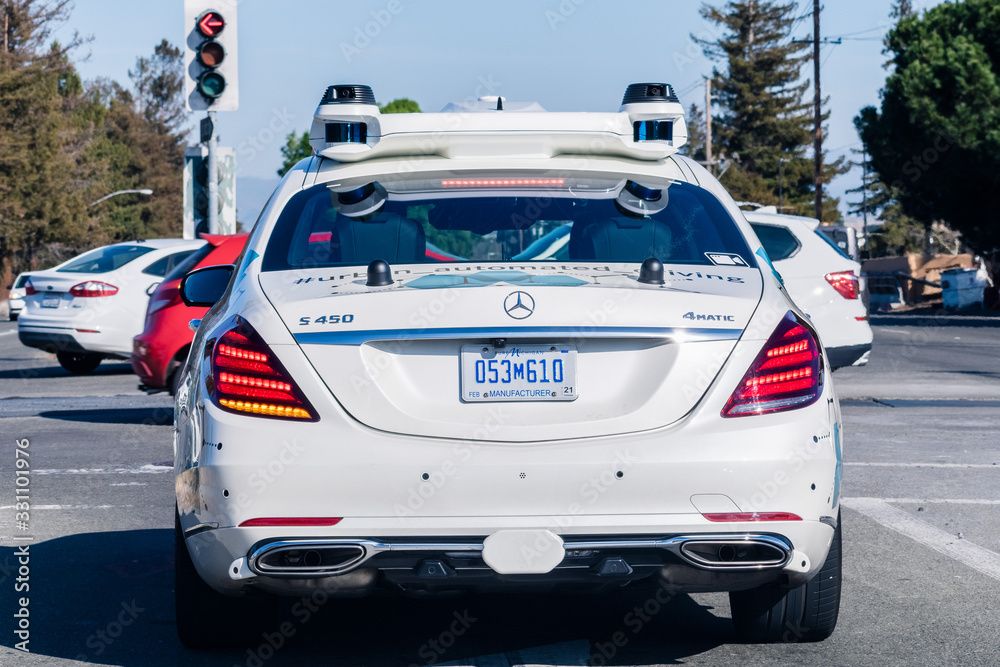
Here are a few of the prominent ongoing challenges in scaling autonomous technology into commercially viable enterprises:
– Extensive Testing – Large fleets of self-driving vehicles are needed to log diverse real-world miles, identify edge cases, refine algorithms and firmly validate safety. This requires massive resources and time to achieve.
– High Costs – Components like advanced sensors and computing continue carrying premiums that drive up vehicle and operational expenses. This hampers profitability at smaller scales.
3D
– Regulation – Laws and policies must evolve to allow for true driverless deployment without human attendants across irregular environments and road conditions. Regulations differ across regions, slowing nationwide scaling.
– Consumer Trust – Buildings widespread public confidence in autonomous systems is challenging when even minor accidents draw intense scrutiny. Many consumers are hesitant to ride without an attendant.
– Data Hoarding – While collaborating is crucial, companies are wary of helpful sharing any proprietary data that could aid competitors. This inhibits pooling of data that could accelerate safe driving capabilities for all.
– Incumbents – Fully autonomous vehicles will disrupt multiple industries, facing powerful opposition from incumbents like automakers, transportation providers and unions seeking to slow changes.
– Tech Integration – True autonomous mobility will integrate highly advanced artificial intelligence, cloud technologies, vehicle electronics, transportation APIs and more. Uniting these multi-disciplinary skills under one efficient program poses integration issues.
Significant capital plus patience will clearly still be required before autonomous vehicle technologies overcome all hurdles to deliver commercial products and services at global scales. Steady progress is crucial to overcoming these challenges.
-Here are some strategies companies are taking to help address the challenge of high costs associated with scaling autonomous technology:
Hardware Standardization – By agreeing on common sensors, computers and other components, costs can fall as production scales up across fleets. Standardization also simplifies testing and validation of systems.
Data Sharing – When companies pool driving datasets through open consortiums like MIT’s MobiDLab, all can accelerate progress and lower costs compared to Go-it alone approaches. Shared simulation environments also aid this.
Cloud Infrastructure – Hosting vehicle control, mapping and operational functions on shared cloud platforms amortizes expensive computing resources across large fleets. It also streamlines software upgrades.
Hardware Reusability – Designing autonomous systems to reuse standard vehicle platforms and integrate modular sensor arrays helps distribute hardware investments over multiple vehicle generations.
Used Vehicle Programs – Once early pilot fleets achieve end-of-life, companies are finding ways to refurbish vehicles and reuse portions of the hardware stack to extend the useful lifespan of initial investments.
Fleet Monetization – As fleets grow, companies are exploring new revenue streams from products like fleet insurance, predictive maintenance services or usage-based subscriptions that offset vehicle costs over time. Real-world driving also has monetization value through new mapping and training data revenue pools.
Strategic Partnerships – Teams up with automakers, Tier 1 suppliers and other tech firms to combine complementary R&D assets can help increase efficiencies and accelerate cost reductions through combined scale.
With these clever strategies, companies stand a better chance of achieving autonomous driving at price-points amenable to widespread commercial and consumer applications. Continued innovation will be key to solving this important scalability hurdle.

 Teens Tech